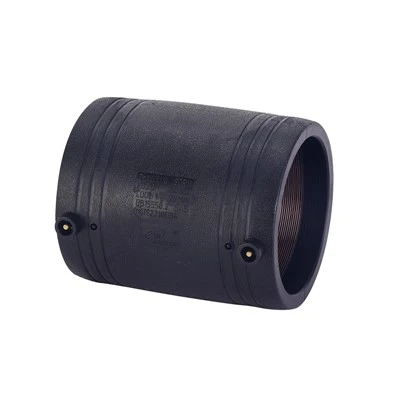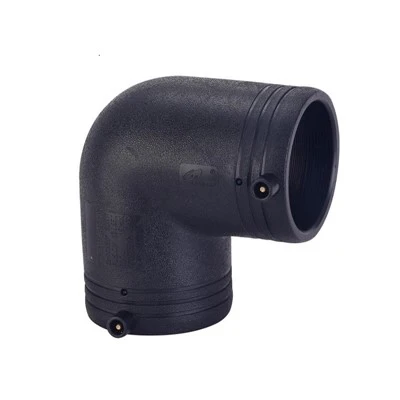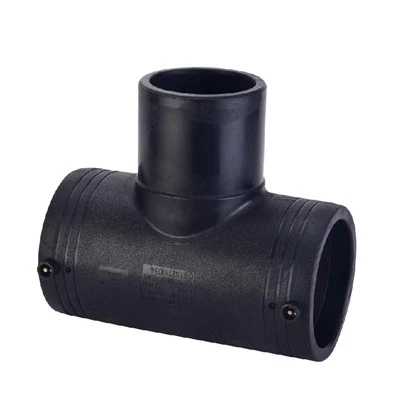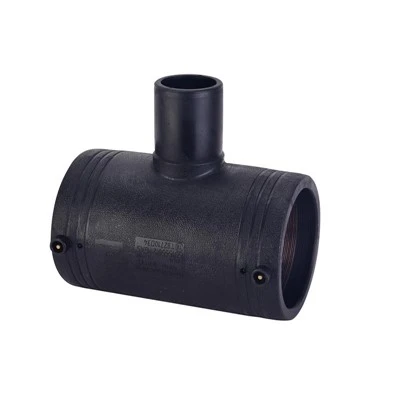
The pressure rating of PE water supply pipes depends on their diameter and wall thickness. The pressure test is conducted to ensure the pressure is 1.5 times the specified pressure. The test pressure for cold water pipes should be 1.5 times the design pressure of the pipeline control system, but not less than 1.0 MPa, for a period of at least one hour. The pressure should be selected based on the design pressure, with each test conducted at 0.8 MPa. Generally, the design pressure = test pressure / 1.5 ≤ 0.8 ≤ 1.5 × 0.53 MPa. Fittings, flanges, valves, etc., can be selected based on the design pressure.
A pre-test must be conducted before the actual pressure test. First, adjust the pressure of the PE water supply pipe to atmospheric pressure to remove air from the pipe and maintain this pressure for 60 minutes. Then, use a booster pump to fill the pipe with water, ensuring the pressure does not exceed the test pressure. Increase the pressure at a steady pace to the test pressure and stabilize it for 30 minutes. Check the PE water supply pipe weld joints and connections for leaks. If leaks are found, immediately stop the pressure test. After stopping the filling, pressurize for 30 minutes. If the pressure in the PE pipe drops to above 70% of the test pressure within 30 minutes, the pre-pressure test is considered successful.
This is because the pipe material was not properly dried and has excessive moisture content; the heating plate surface contains impurities; and the post-milling storage time is too long. Common problems in PE pipe welding can be identified in eight key aspects. Mastering these aspects will improve the welding quality of PE pipes:
When connecting pipes and fittings made from different types of polyethylene (PE) materials, the joints should undergo hydraulic testing. Generally, PE63, PE80, and PE100 mixtures with a melt flow rate (MFR) (190℃/5kg) of 0.2g/10min should be considered intermetallic and can be joined together. Materials outside this range require testing for verification. Currently, this generally means that for electrofusion joining, the electrofusion fitting and the pipe being joined can be of different material grades; however, butt fusion is typically performed between materials of the same grade.
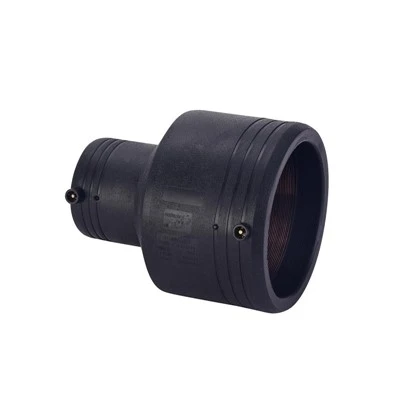
The electrofusion welding voltage for PE pipes is approximately 40V, the welding current is within 100A, and the cooling time varies depending on the PE fitting specifications, usually indicated on the fitting label. The main parameters of hot melt welding are determined by the welding method, wall thickness, raw material grade, manufacturing model and product execution standards. The welding voltage for electrofusion welding of PE pipes for water supply is 8-44V. The welding time, temperature and suitable pipe specifications are marked on the casing. If there is a barcode, the welding voltage and time can be determined by scanning the barcode.