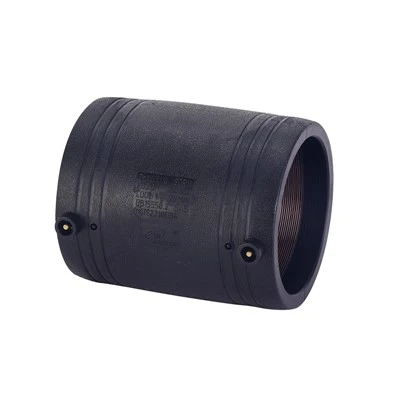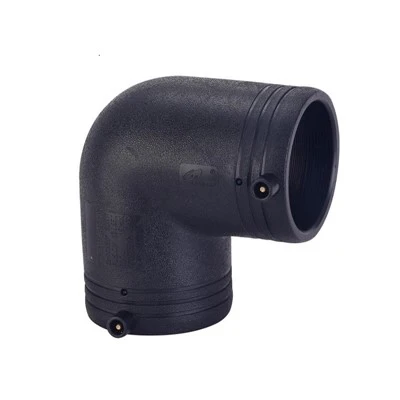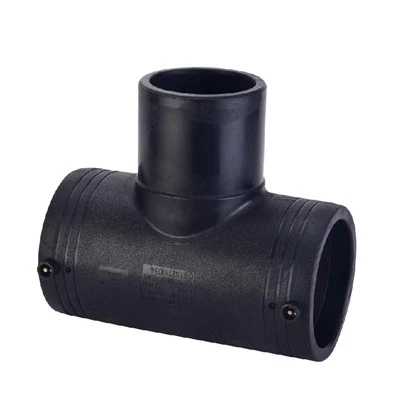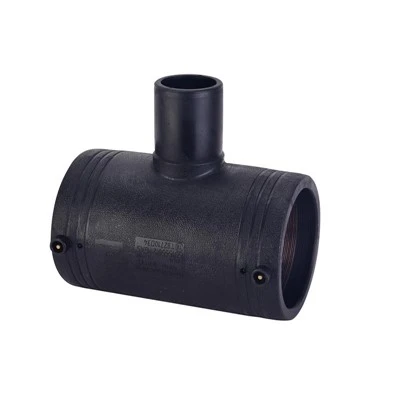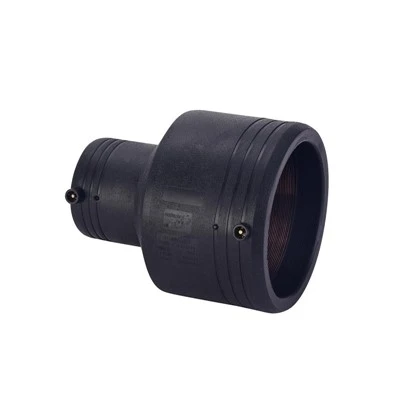
Electrofusion welding, as an important connection method for polyethylene (PE) pipes, saw significant technological advancements in the 1990s. The development of electrofusion welding technology in the 1990s was mainly reflected in the fact that the materials used for pipe fittings closely followed the development of pipe materials. Several international manufacturers of electrofusion fittings developed and produced fittings made of PE100 material.
The structure of electrofusion fittings has matured through continuous development and improvement, featuring a wide welding zone, a long insertion depth, and a cooling zone. For example, Georg Fisher introduced a modular electrofusion saddle fitting and transition fitting system in 1997, enabling the assembly of required fittings from basic components in the workshop and on-site. Electrofusion welding equipment has entered its third generation (multi-functional), allowing for on-site welding quality control and ensuring equipment and installation traceability. Automatic identification systems for electrofusion fittings were standardized in the late 1990s, mainly including three types: digital identification systems, electromechanical identification systems, and self-adjusting systems. Currently, most electrofusion fittings use digital identification systems. The most significant advancement in electrofusion fitting forming technology is the automation of the forming process.