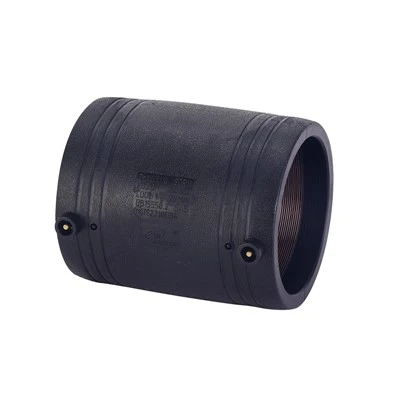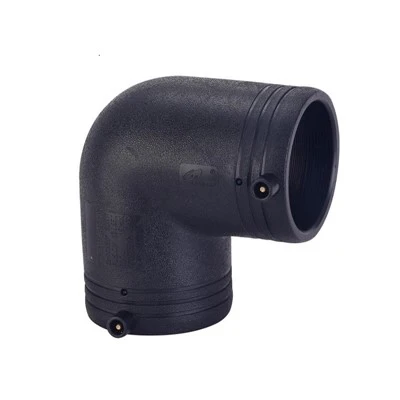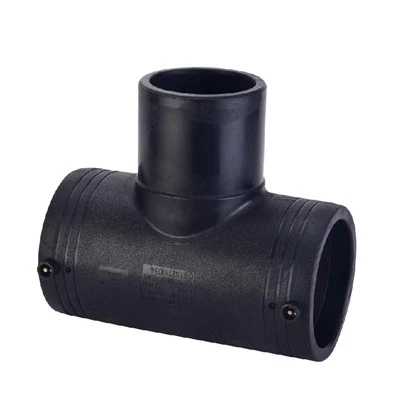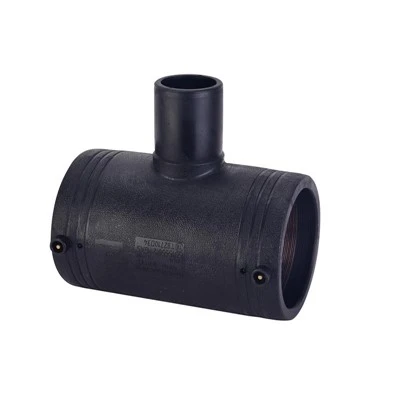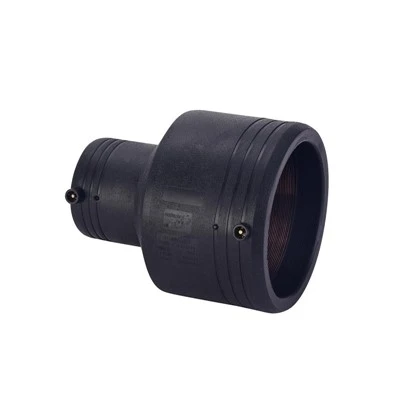
The "three sections" of an electrofusion joint are not a unit of time, but refer to three key stages of the welding process: The preheating stage, the melting stage, and the cooling stage. This is similar to the cooking process of 'simmering over low heat - reducing the sauce over high heat - letting it cool naturally,' with each stage serving a different function:
Preheating Stage: Gradually heats the pipe to the ideal temperature range (approximately 160-200℃)
Melting Stage: Electricity is applied to heat the internal resistance wire, achieving molecular-level fusion of the materials.
Cooling Stage: Natural cooling forms a stable connection structure.
Time Control: The time management of each stage directly affects the welding quality:
Preheating Stage Duration: Adjusted according to the ambient temperature (extend by 1-2 minutes in winter)
Melting Stage Reference: Typically accounts for 60% of the total time; the larger the pipe diameter, the longer the duration.
Cooling Stage Prohibitions: Forced water cooling can cause stress cracking; natural cooling must be maintained.
Operational Misconceptions and Practical Tips: Key points easily confused during on-site operation:
Time Display ≠ Countdown: The 'three stages' displayed by the equipment are progress indicators, not strict time divisions.
Intelligent Recognition Function: Modern electrofusion welding machines can automatically detect the ambient temperature and adjust the duration of each stage.
Quality Inspection Tips: After the cooling stage, observing the flange height can provide a preliminary assessment of the fusion effect.