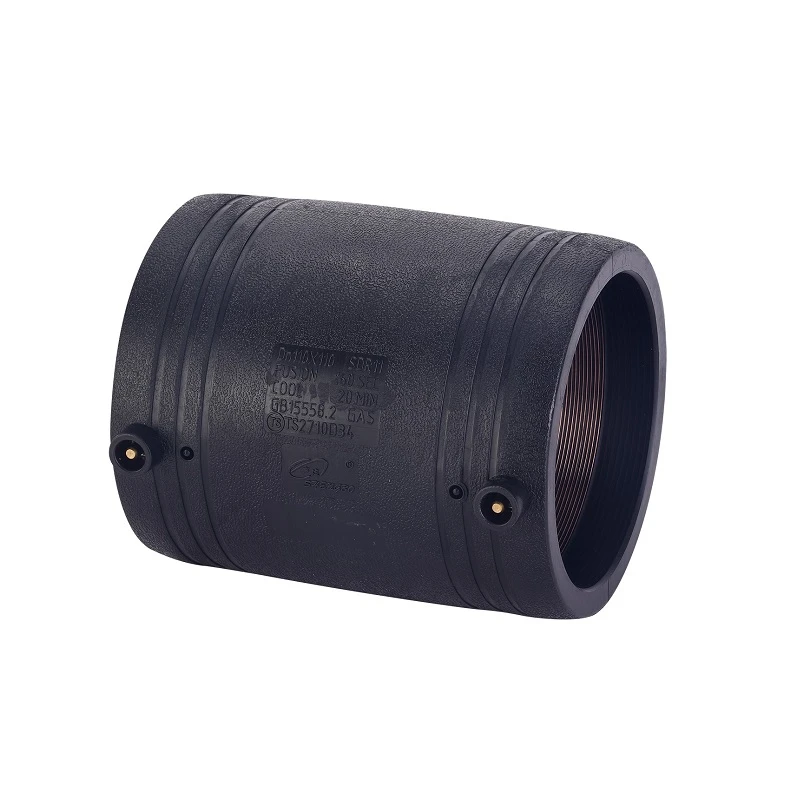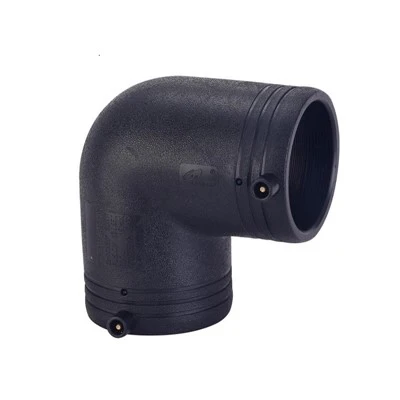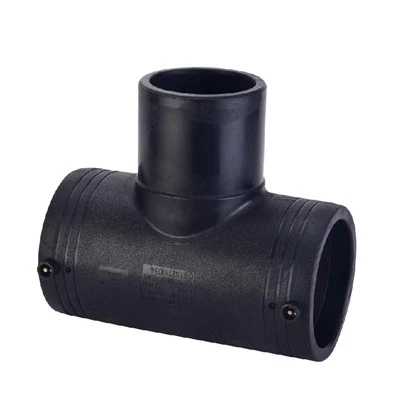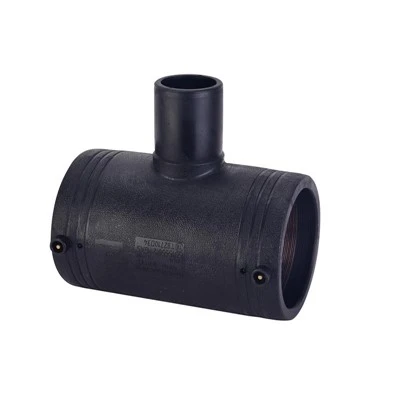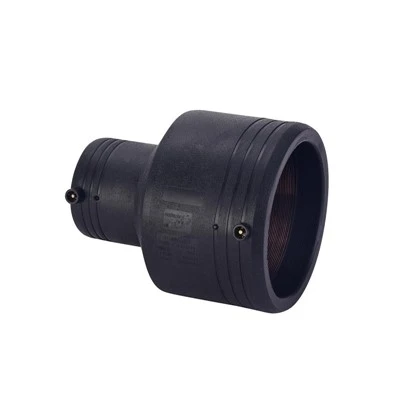
When steel pipes meet plastic pipes, it's like two people speaking different languages shaking hands-a translator is needed. Steel-plastic conversion fittings act as this bridge, solving leakage problems caused by the different thermal expansion and contraction rates of the two materials. They are commonly used in gas pipeline renovations and upgrades to water supply systems in older residential areas, preserving the strength of steel pipes while leveraging the corrosion resistance of plastic pipes.
Main Types Revealed:
Flanged: Metal flanges with rubber sealing rings, suitable for large-diameter pipe connections, easy to disassemble but bulky.
Threaded: Secured by internal and external threads, commonly used for small-diameter residential pipes; careful attention must be paid to the application of sealant during installation.
Socket: Plastic end socket connection combined with steel end welding, smooth transition and good seismic resistance, mostly used in underground projects.
Compression Fitting: Sealing rings are crimped using special tools; quick installation but requires specific equipment.
Selection Guidelines:
Choose materials based on medium characteristics-reinforced polypropylene (PPR) conversion fittings are recommended for hot water transportation; considering the construction environment, aesthetically pleasing chrome-plated threaded fittings are preferred for exposed installations, while corrosion-resistant epoxy-coated flanged fittings are suitable for concealed installations. Remember: Models with pressure gauge interfaces are easier to maintain later. For corners, it is recommended to choose socket-type connectors with buffer structures to reduce water hammer effects.