Materials Differences:
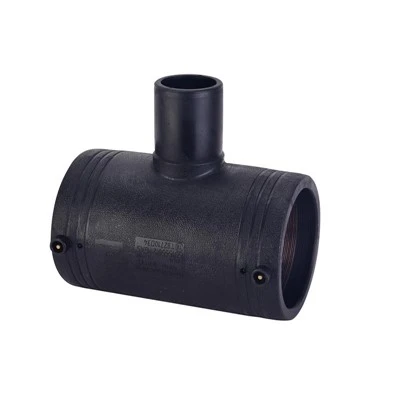
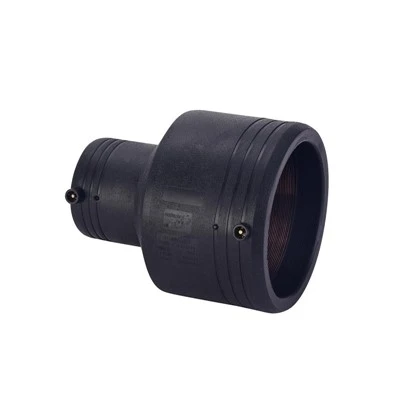
Hot fusion fittings use pipes of the same material, connecting them together through heating and pressurization. Electrofusion fittings, on the other hand, can connect pipes of different materials. Therefore, hot fusion is relatively more limited in terms of material selection.
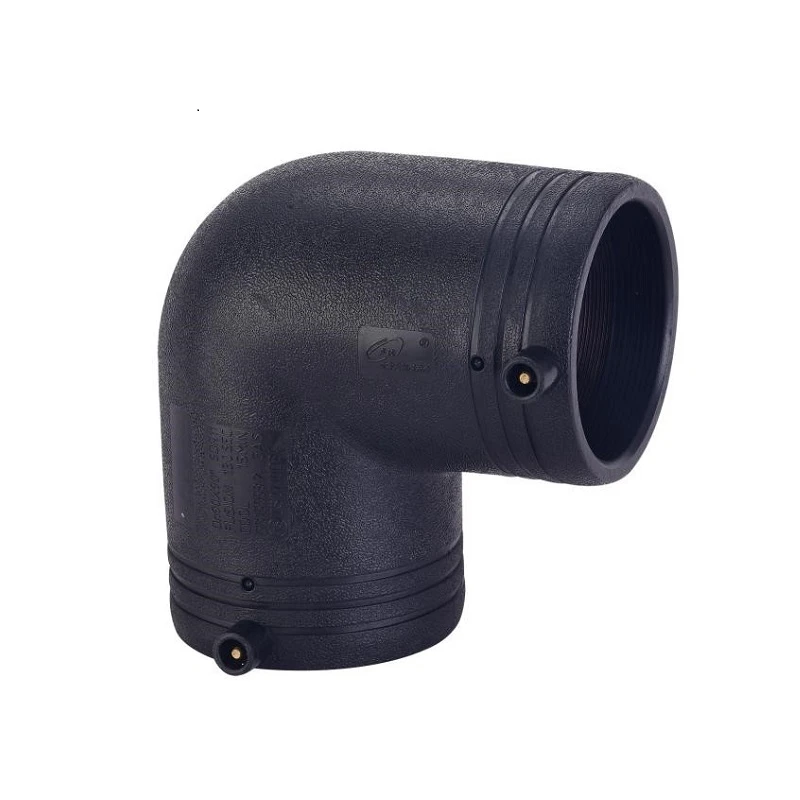
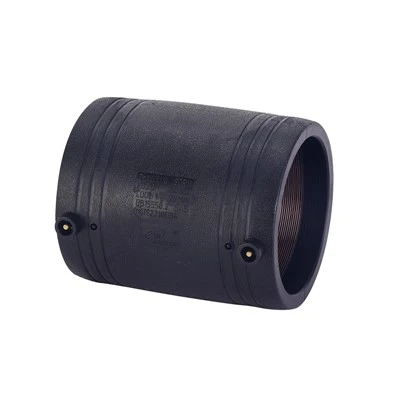
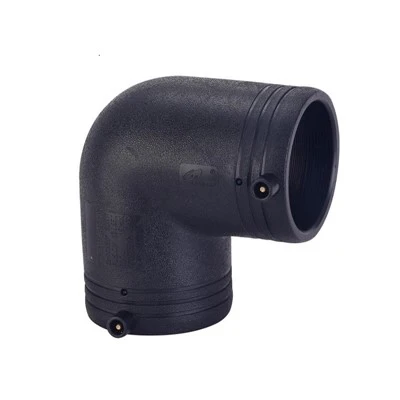
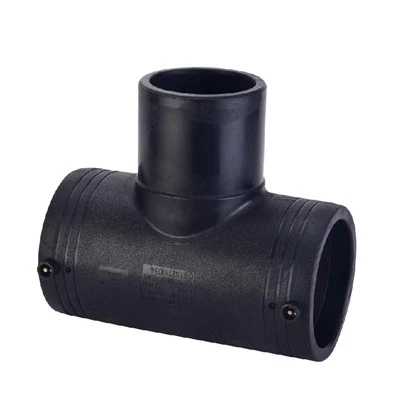
Connection Methods Differences: Hot fusion fittings utilize the molten state of the pipe raw materials, heating the connection points to a certain temperature and then pressurizing them, forming a single unit through liquid polymerization. Electrofusion fittings, however, use a special electrofusion head to fuse the ends of two pipes together.
Characteristics Differences:
Process Differences: Hot fusion requires the installation of end caps and heating sleeves, demanding certain technical skills and experience. Electrofusion is relatively simple, requiring only the installation of an electrofusion head and power supply.
Application Differences:
Hot fusion requires the pipes to be free of foreign objects and moisture when connecting them, while electrofusion is not subject to these restrictions. In practical applications, hot fusion is suitable for pipes with relatively simple connection methods, while electrofusion is more suitable for more complex and varied pipework.
Differences in connection quality: Pipes connected by heat fusion have a certain strength and stability, while those connected by electrofusion have relatively low quality and are prone to leakage and seepage.