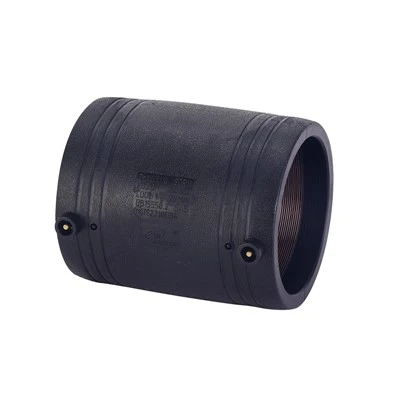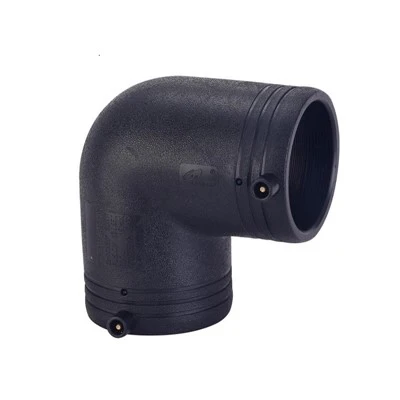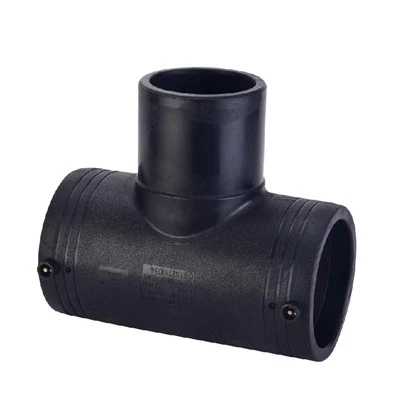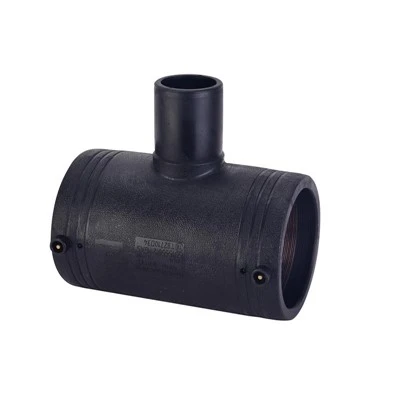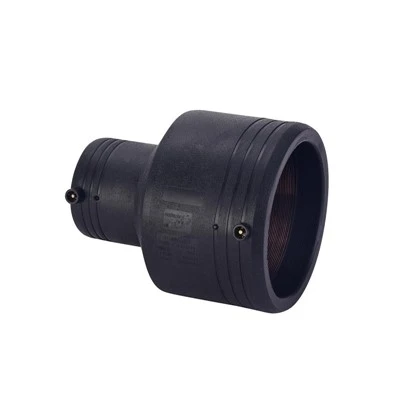
Electrofusion Fitting Welding Principle
Electrofusion fittings achieve connection by melting polyethylene material through an internal resistance wire, similar to using a hot glue gun to bond plastic. During the initial welding, the material's molecular chains rearrange to form a dense structure. If forced to reheat, the original molecular structure will be destroyed, potentially resulting in porosity or incomplete welds, much like repeatedly heated chocolate loses its shine.
Three Major Risks of Secondary Welding
Strength Attenuation: Repeated heating alters the material's crystallinity, potentially reducing the joint strength by more than 30%.
Sealing Failure: An oxide layer easily forms in the molten zone, making it difficult for the wound to heal properly, similar to a scab forming on a wound.
Uncontrolled Deformation: Localized overheating can cause excessive ellipticity in the fitting, resulting in a phenomenon similar to a "baked plastic bottle."
Special Circumstances Handling Solutions
When repairs are necessary, consider these alternative solutions:
Cut the damaged section and use a flange connection, like "patching" the pipe.
Use a specialized repair sleeve for localized reinforcement.
For non-pressure-bearing pipes, temporary repairs can be done using epoxy resin composite materials.