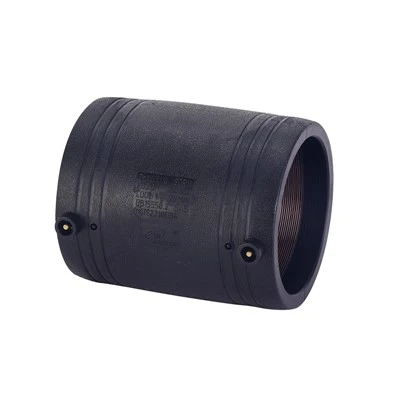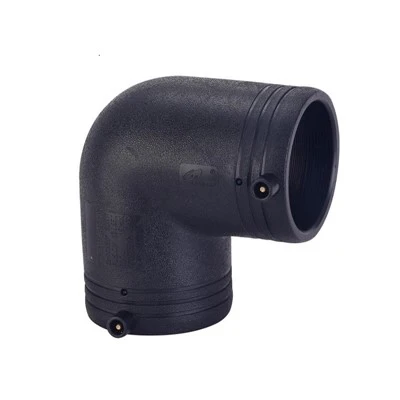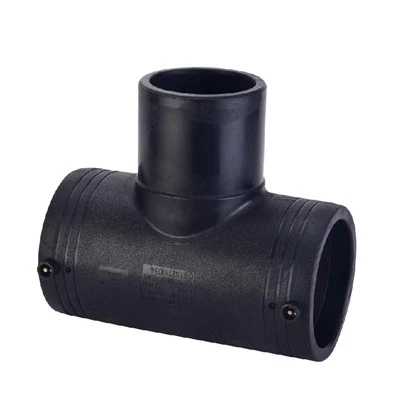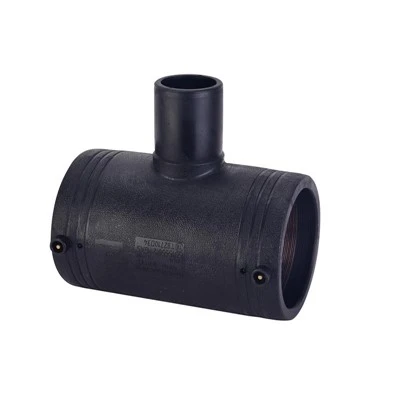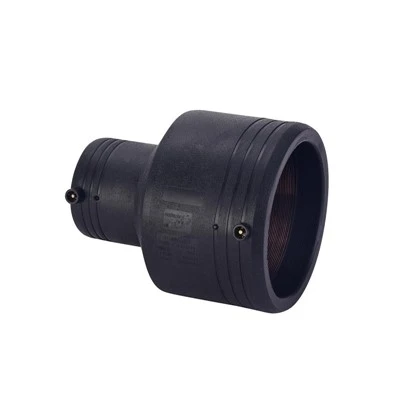
The principle of electrofusion fittings: Electrofusion fittings use internal resistance wires to heat up and fuse polyethylene materials together to form a permanent connection.
The characteristics of this process are:
One-time molding: Material molecular chains recombine during welding, forming a stable structure after cooling.
Temperature sensitivity: The initial heat fusion temperature is typically between 210-230℃.
Material memory effect: Reheating can damage the original molecular structure.
Potential risks of secondary heat fusion: Attempting to reheat electrofusion fittings may cause the following problems:
Decreased sealing: It is difficult to restore the initial tightness after the original weld surface remelts.
Strength loss: Repeated heating of the material can reduce its compressive strength by more than 30%.
Resistance wire failure: The resistance wire oxidizes after the initial welding, and secondary heating may be uneven.
Safety hazards: Local overheating may cause deformation or micro-cracks.
More reliable solutions: When modifications are needed, consider these methods:
Cut and replace: Directly remove the old fitting and install the new component.
Mechanical connection: Use physical connection methods such as flanges or clamps.
Dedicated repair kits: Some manufacturers provide reinforcement kits for local repairs.
Preventative design: Reserve access ports or redundant piping before construction.