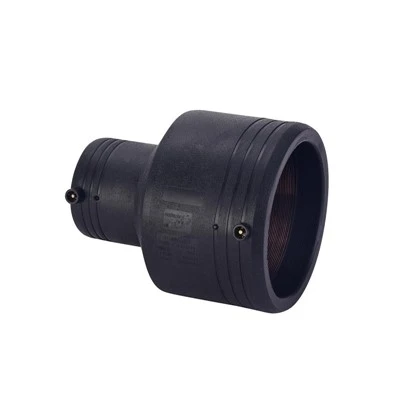
PE (polyethylene) ball valves are widely used in various industries due to their lightweight, corrosion resistance, and low cost. Chemical environments often involve strong acids, strong alkalis, or organic solvents, placing high demands on valve materials. While PE materials exhibit good resistance to most chemicals at room temperature, their operating temperature range is typically between -20°C and 60°C; exceeding this range may lead to performance degradation.
Applicability Analysis for Chemical Applications
Media Compatibility: PE has good resistance to common chemicals such as hydrochloric acid and dilute sulfuric acid, but poor resistance to strong oxidants (such as concentrated nitric acid).
Pressure Limitations: PE ball valves typically have a pressure resistance below 10 bar; high-pressure chemical processes require careful consideration.
Temperature Effects: High temperatures accelerate PE aging; for environments consistently exceeding 60°C, alternative materials are recommended.
Static Application Advantages: In pipelines with infrequent operation, PE ball valves exhibit ideal sealing performance.
For chemical applications with low corrosiveness and moderate temperature and pressure, PE ball valves are an economical and practical choice. However, alternative solutions should be considered in the following situations:
The medium contains a strong oxidizing agent
The operating temperature is consistently above 60°C
Frequency of start-up/shutdown or flow rate adjustment is required.