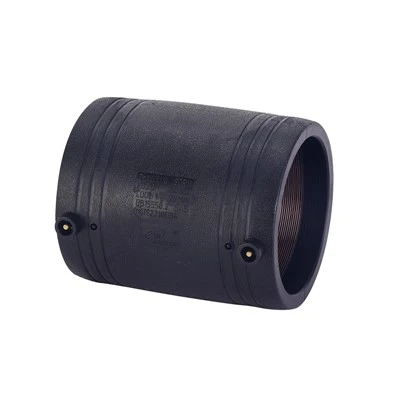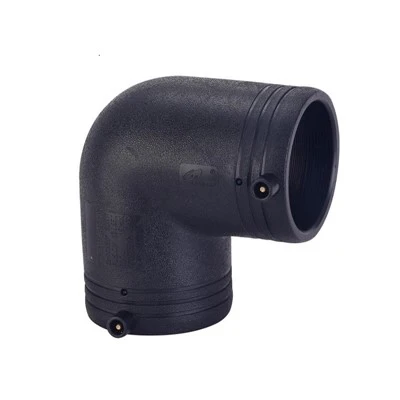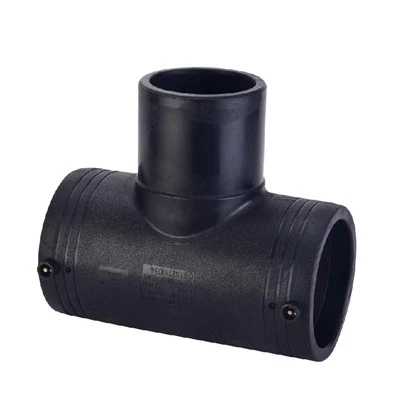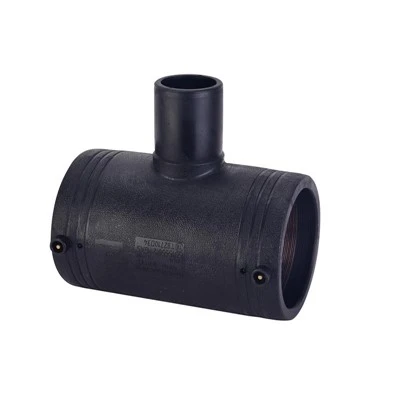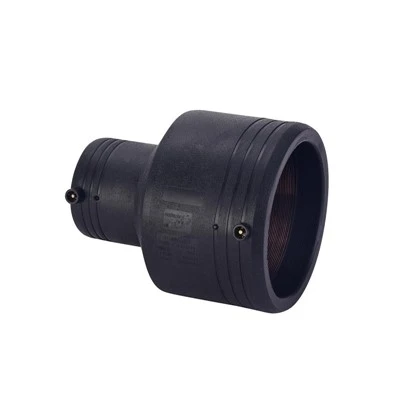
Flange fittings, also known as flanged pipe fittings or flanged pipe fittings, are widely used pipe connection elements in industrial fields. Their main characteristic is the presence of a flange, a disc-shaped or ring-shaped structure, used to connect pipes, valves, pumps, and other fluid transport systems. Flange fittings are typically made of the same material as the pipes, such as carbon steel, alloy steel, or stainless steel, and can be manufactured through casting, threaded connections, or welding.
Flanged pipe fittings comply with multiple national standards, such as GB/T17185-1997, GB/T12459-2005, and GB/T13401-2005, to ensure their quality and performance meet the requirements of industrial applications. Flange fittings come in various types, including reducing flanges, elbow flanges, and tee flanges, to meet different pipe connection needs. The main function of flange fittings is to connect pipes, valves, pumps, and containers. Two flanges are fastened together with bolts or nuts, effectively and tightly connecting different equipment or pipelines to form a complete fluid transport system.
Flange fittings utilize the principle of face sealing. A gasket is placed between two flanges, and tightening the bolts deforms the gasket, filling any unevenness on the sealing surface and achieving a seal. Flange fittings also serve as support components for pipelines or equipment, improving their stability. Disassembly and installation of flange fittings are very convenient, which is especially important for equipment and pipelines that require frequent cleaning, maintenance, or replacement.
Flanged fittings feature standardized designs that conform to the standards and specifications of multiple countries and regions. Therefore, they can be used with equipment and pipelines from various brands. The manufacturing cost of flange fittings is relatively low, and installation is simple and quick, improving production efficiency and reducing costs. Furthermore, their reliability and durability ensure the long-term stable operation of fluid transport systems.