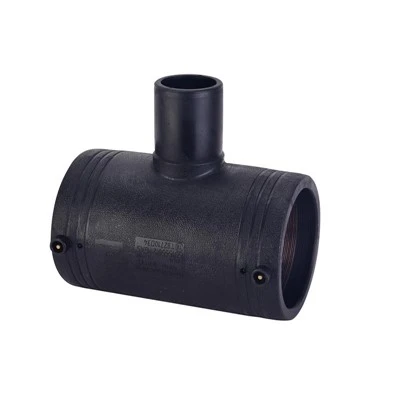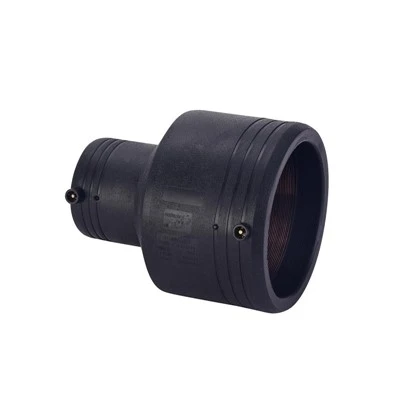
To ensure the safe and reliable operation of steel-plastic transition joints, the following points should be considered during selection and installation:
Structural Design and Selection: Research shows that the wall thickness of the PE end and the tensile tooth structure of the steel pipe end are crucial to performance. Joints with excessively thinned walls are more prone to yielding, pull-out, or leakage under stress. For larger diameter pipes, low-height tooth structures are also more susceptible to pull-out. Therefore, when selecting a joint, priority should be given to products with thickened PE ends or injection-molded PE ends, as these provide a higher safety margin.
Strict Installation Specifications:
Temperature Conditions: Construction should be carried out in an ambient temperature range of 5℃ to 40℃.
Steel Pipe End Welding: When welding the steel pipe ends, cooling measures must be taken (such as water cooling or wrapping with a damp cloth) to prevent the transfer of welding heat from damaging the PE part.
PE End Connection: Before heat fusion or electrofusion connection of the PE pipe ends, ensure that the pipe ends are clean and free of oil and impurities.
Rigid Support: During installation, the joint should have sufficient rigid support to prevent deformation.
Adhere to Standards and Quality Inspection
Always select products that meet national standards. Upon material arrival, strictly verify product certificates of conformity, material reports, and other documents, and conduct visual and dimensional inspections.
In general, steel-plastic conversion PE pipes are an efficient and reliable connection solution. The key to successful application lies in:
Precise Selection: Choose products that meet standards and have a reasonable structure based on pressure, diameter, and medium.
Standardized Construction: Strictly adhere to installation operating procedures, especially welding cooling measures.