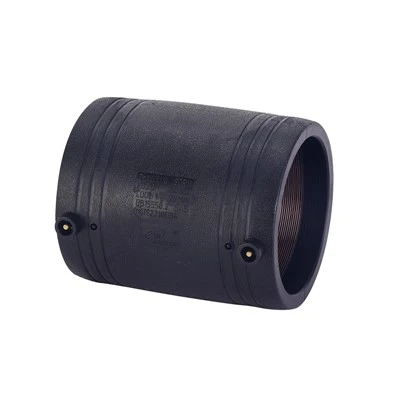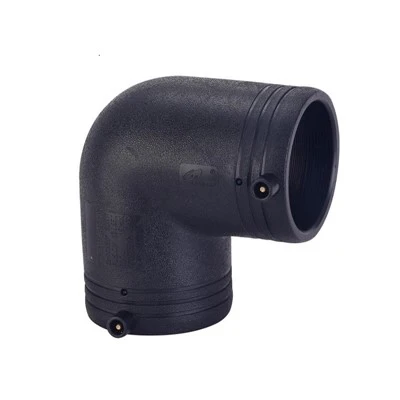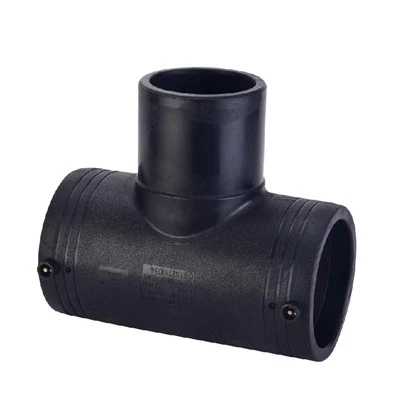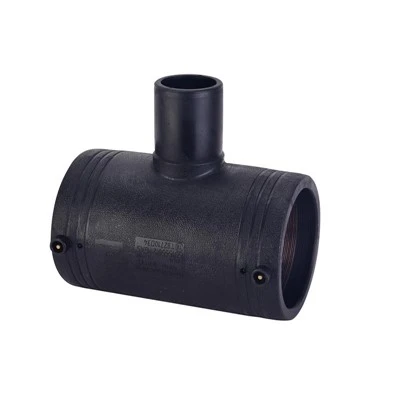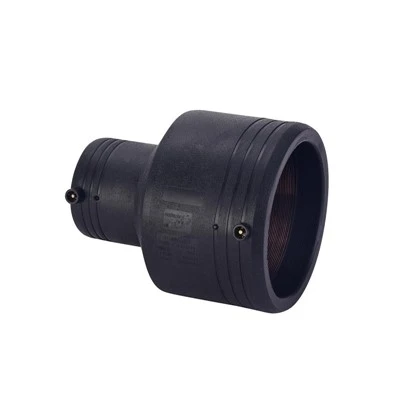
Testing methods for PE electrofusion pipe fittings include:
Elongation at break: Elongation at break is one of the indicators of good pipe flexibility. Measuring the elongation at break confirms that the pipe retains the properties of the raw materials, ensuring ease and economy of construction, guaranteeing the pipe's adaptability to uneven foundation settlement, and meeting seismic performance requirements.
Weather resistance: After exposure to the combined effects of sunlight, heat, cold, wind, rain, and oxygen, the strength, thermal stability, and elongation at break of the pipe will decrease. Measuring the weather resistance of bamboo confirms that the pipe retains the properties of the raw materials and ensures that the pipe still meets usage requirements after being subjected to certain energy loads.
Resistance to slow crack growth: Measuring the pipe's resistance to slow crack growth confirms that the pipe retains the slow crack growth resistance of the raw materials, ensuring the pipe's load-bearing capacity and long service life.
Thermal stability testing: By measuring the thermal stability of the pipe, it is confirmed that the pipe retains the original properties of the raw materials and ensures that the pipe still meets the requirements for construction, welding, and service life of 50 years.
Melt flow rate (MFR): By measuring the melt flow rate of the pipe and comparing it with the MFR of the raw materials, the difference is required to be no more than 20%. This confirms that the pipe basically retains the original properties of the raw materials, thus ensuring the pipe's reprocessing technology and welding performance.