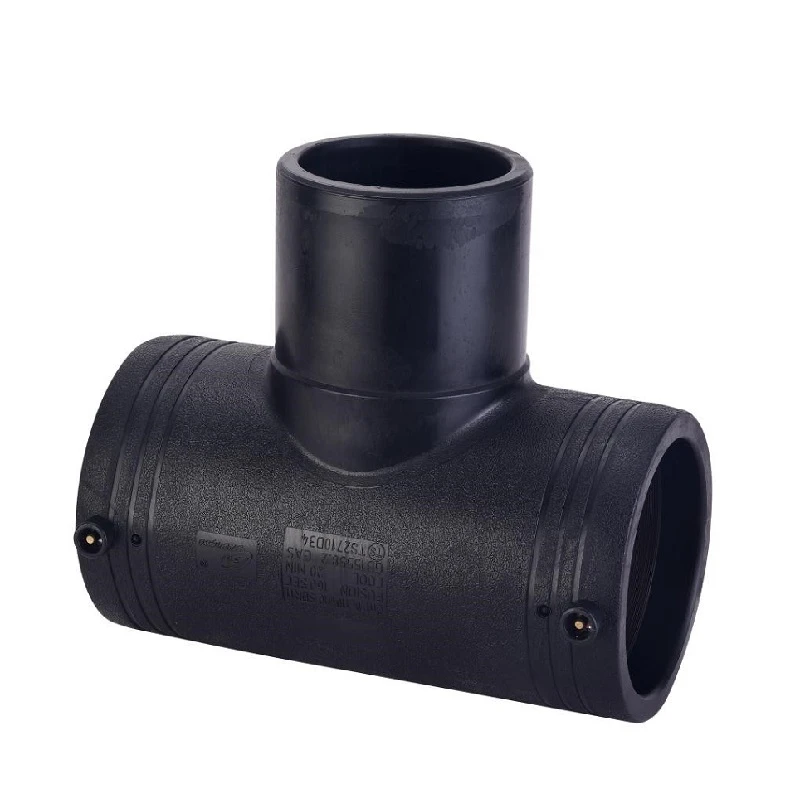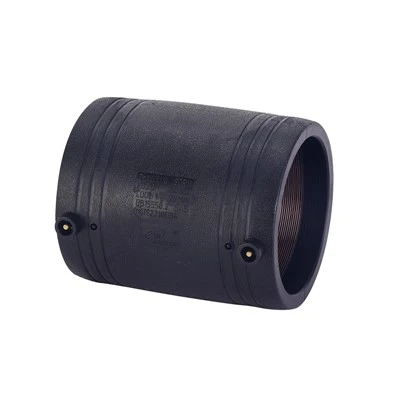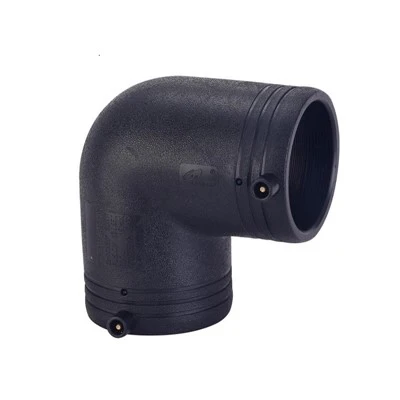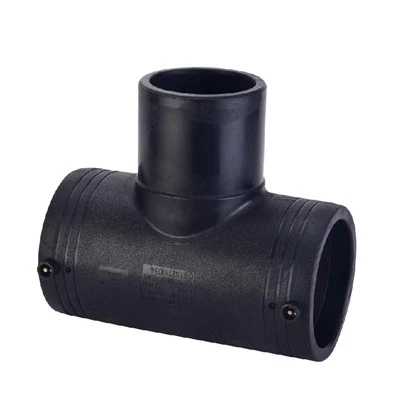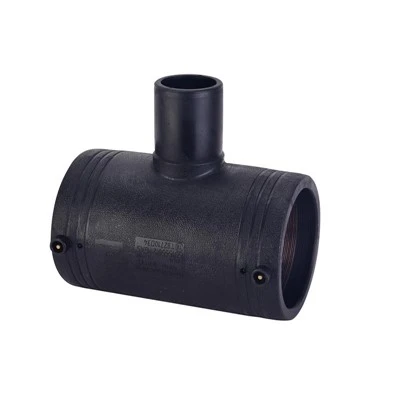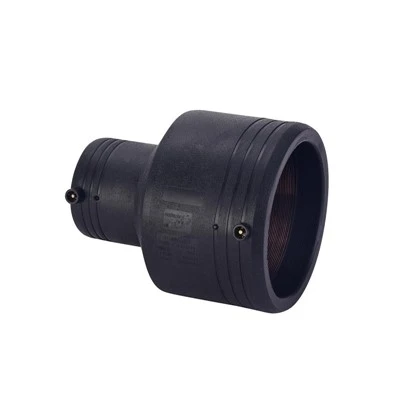
Mainstream Materials for Heat Melt Fittings Heat melt fittings primarily use two materials: PPR (random copolymer polypropylene) and PPH (homogeneous polypropylene). PPR fittings, with their better flexibility and temperature resistance, are a common choice for domestic hot and cold water pipes; PPH fittings, due to their higher rigidity, are more often used for industrial acid and alkali liquid transportation. Both can be connected by heat fusion, but their melting points differ significantly: PPR is approximately 260℃, and PPH is approximately 280℃.
Three Dimensions of Performance Comparison
Impact Resistance: PPR's unique molecular chain structure makes it 30% more impact-resistant than PPH at low temperatures.
Chemical Resistance: PPH exhibits superior resistance to concentrated acids and strong alkalis, making it suitable for chemical applications.
Heat Deflection Temperature: PPR remains stable below 60℃, while PPH can withstand short-term temperatures up to 80℃.
Golden Rules for Selection and Application
Prioritize PPR for Everyday Home Improvement:
Easier heat fusion (lower melting point)
More reliable joint sealing
Outstanding resistance to water hammer
Consider PPH for Industrial Applications:
High corrosion resistance requirements
Need to withstand higher pressures
Pipelines need to be exposed outdoors for extended periods